Resources
What is the Supreme Court?
The highest court in the United States
The Supreme Court is the highest court in the United States and the only court specifically created by the Constitution. Article III of the Constitution established the judicial branch as one of three co-equal branches of government, alongside the executive branch (the President) and the legislative branch (Congress).
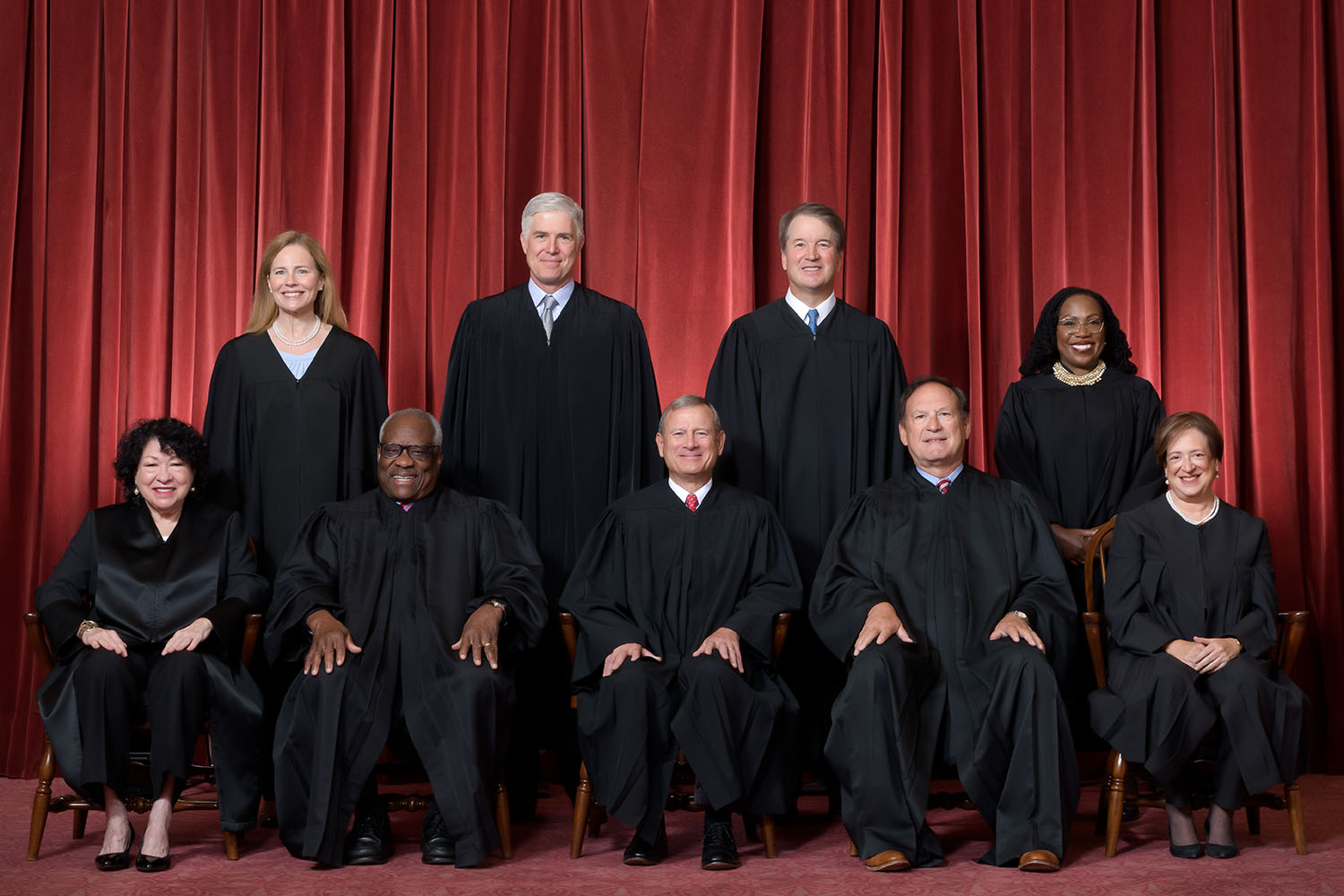
Nine Justices
The Supreme Court has nine justices, including one Chief Justice and eight Associate Justices. Justices are nominated by the President and must be confirmed by the Senate. Once confirmed, justices serve for life or until they choose to retire. This lifetime appointment helps justices make decisions based on the law rather than political pressure.
Why the Supreme Court Matters
The Supreme Court has the final say on what the Constitution means. When lower courts disagree about how to interpret a law, or when someone believes a law violates the Constitution, the Supreme Court can step in and make a ruling that applies to the entire country. These decisions shape American law and affect the daily lives of all Americans.
Judicial Review
One of the Supreme Court's most important powers is judicial review - the ability to strike down laws that violate the Constitution. This power was established in the 1803 case Marbury v. Madison. Judicial review makes the Supreme Court a powerful check on the other branches of government.
Checks and Balances
How the judicial branch keeps government power in check
The Founders of the United States worried about any one person or group having too much power. They designed a system of "checks and balances" where each branch of government can limit the power of the others. The judicial branch plays a crucial role in this system.
How the Supreme Court Checks the Other Branches
- Checking Congress: The Court can declare laws passed by Congress unconstitutional, making them invalid
- Checking the President: The Court can rule that presidential actions or executive orders violate the Constitution
- Interpreting Laws: When laws are unclear, the Court decides what they mean and how they should be applied
How Other Branches Check the Courts
- The President nominates all federal judges, including Supreme Court justices
- The Senate must confirm judicial nominees before they can serve
- Congress can propose constitutional amendments to override Court decisions
- Congress controls the federal court system's budget and structure
Why This System Works
No branch can act alone. The President can't make laws without Congress. Congress can't enforce laws without the President. And both must follow the Constitution as interpreted by the Supreme Court. This balance of power protects the rights of citizens and prevents tyranny.
How Cases Reach the Supreme Court
The journey from local courts to the nation's highest court
The Court System Ladder
Most legal cases start in lower courts - either state courts or federal district courts. If someone loses their case and believes the court made a legal error, they can appeal to a higher court. Cases can move up through several levels of appeals courts before potentially reaching the Supreme Court.
Asking the Supreme Court to Hear Your Case
To get the Supreme Court to hear a case, a party must file a "petition for certiorari" (often called "cert"). This document explains why the case is important enough for the Supreme Court to review. The Court receives about 7,000-8,000 petitions each year but only agrees to hear 100-150 cases.
Why Cases Get Accepted
The Supreme Court typically agrees to hear cases that:
- Involve important constitutional questions
- Address conflicts where different appeals courts have ruled differently on the same legal issue
- Have significant impact on the nation
Four of the nine justices must vote to hear a case for it to be accepted (called the "Rule of Four").
Reading a Case Name
Supreme Court cases are named Petitioner v. Respondent. The petitioner is the party asking the Court to review the case. The respondent is the other party. For example, in "Brown v. Board of Education," the Brown family was challenging the school board's segregation policy.
After the Decision
The Court's written decision includes:
- Majority Opinion: The official decision, usually written by one justice, explaining the Court's reasoning
- Concurring Opinion: A justice who agrees with the result but wants to add their own reasons
- Dissenting Opinion: A justice who disagrees with the decision and explains why
Supreme Court decisions become precedent - legal rules that lower courts must follow in future similar cases.
Law words
The Constitution and legal tests — not who won
Class will cover these ideas in the lead-up. Use this page when a term flies by on a case page. Click a dotted word there, or read the full list here. None of these entries tell you how the Supreme Court decided your case.
Your job is to name the clause, explain what it says, and argue for a test (the rule your side wants). Facts matter only when they connect to that test.
Words that show up across cases
The legal fight in each case
Open your assigned case for the full Background. These frames are the same “Know the law” boxes you will see there.
Debate Preparation Tips
How to prepare for your classroom debate
1. Understand Both Sides
After the Argument Sort, use Weigh to rank your points and steelman the other side. There is no answer key — good debaters know the other side’s arguments as well as their own, including facts both sides could use.
2. Rank Your Arguments
Identify the strongest arguments for your assigned side. Consider which arguments are most persuasive and which address the core constitutional questions. Lead with your best points.
3. Anticipate Counterarguments
Think about what the other side will say. Prepare responses to their strongest arguments. If you can address their points before they make them, you'll seem more prepared and convincing.
4. Use Evidence
Reference specific facts from the case background. Use vocabulary terms correctly. Cite the constitutional amendments or clauses that support your position. Evidence makes your arguments stronger.
5. Practice Your Delivery
Speak clearly and confidently. Make eye contact with your audience. Stay respectful even when disagreeing - attacking the other side's ideas is fine, but attacking them personally is not.
General Resources
Helpful websites and tools for learning more
Supreme Court of the United States
The official website with information about the justices, how the Court works, and recent decisions.
Visit supremecourt.govOyez
Listen to actual Supreme Court oral arguments and read case summaries written in plain language.
Visit OyeziCivics
Play games and complete activities about how government works, including Supreme Court simulations.
Visit iCivicsU.S. Courts Educational Resources
Videos, activities, and lesson plans from the federal court system designed for students.
Visit U.S. CourtsConstitution Center
Interactive Constitution with explanations of each amendment and how the Supreme Court has interpreted them.
Visit Constitution CenterStreet Law
Resources for understanding law and government, including Supreme Court case studies and moot court guides.
Visit Street Law